Why a container dries unevenly
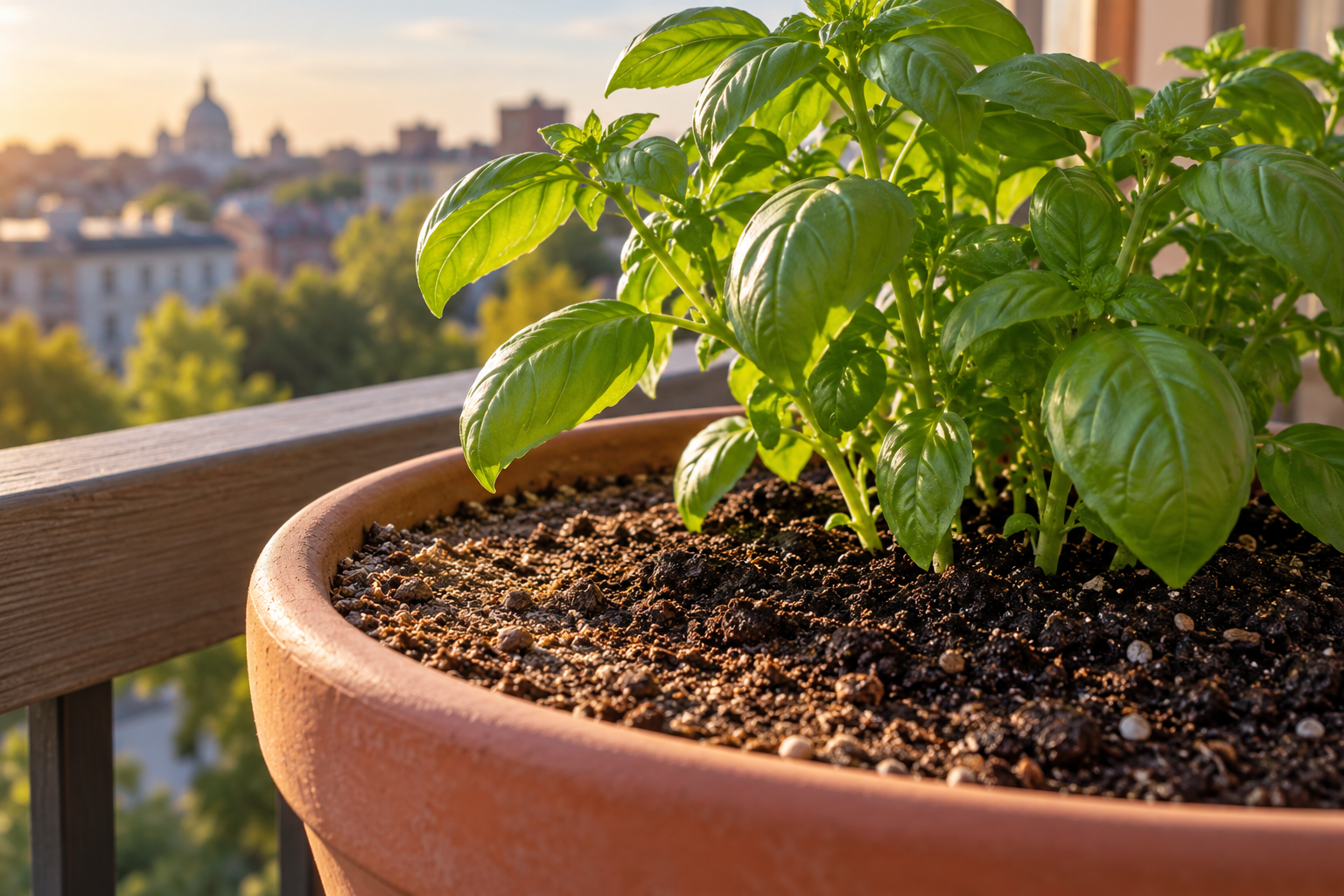
A dry potting-mix surface can sit above damp lower layers. Learn how drainage, roots, container walls and rewetting shape the uneven pattern, and how to check the whole pot before watering again.

About the author
I garden on the second-floor balcony of a rented flat in Bristol. My growing space is narrow enough that moving a chair can count as a redesign. I work in a community bookshop and tend my pots before breakfast or after an evening shift, which has made me fond of plants that forgive an imperfect schedule.
Balcony Harvest began as a notebook of things I had actually picked and eaten. I write about edible containers, useful small harvests and the gap between a planting plan and the weather outside. I particularly like herbs, reused terracotta pots and notes detailed enough to explain a failure without turning it into a personal flaw.
My posts favor the ordinary: a handful of chives, a pot that needed moving, a neighbor who remembered to water during a weekend away. Outside the balcony I enjoy secondhand cookbooks, canal walks and meals whose ingredients include something from the windowsill.
A dry potting-mix surface can sit above damp lower layers. Learn how drainage, roots, container walls and rewetting shape the uneven pattern, and how to check the whole pot before watering again.
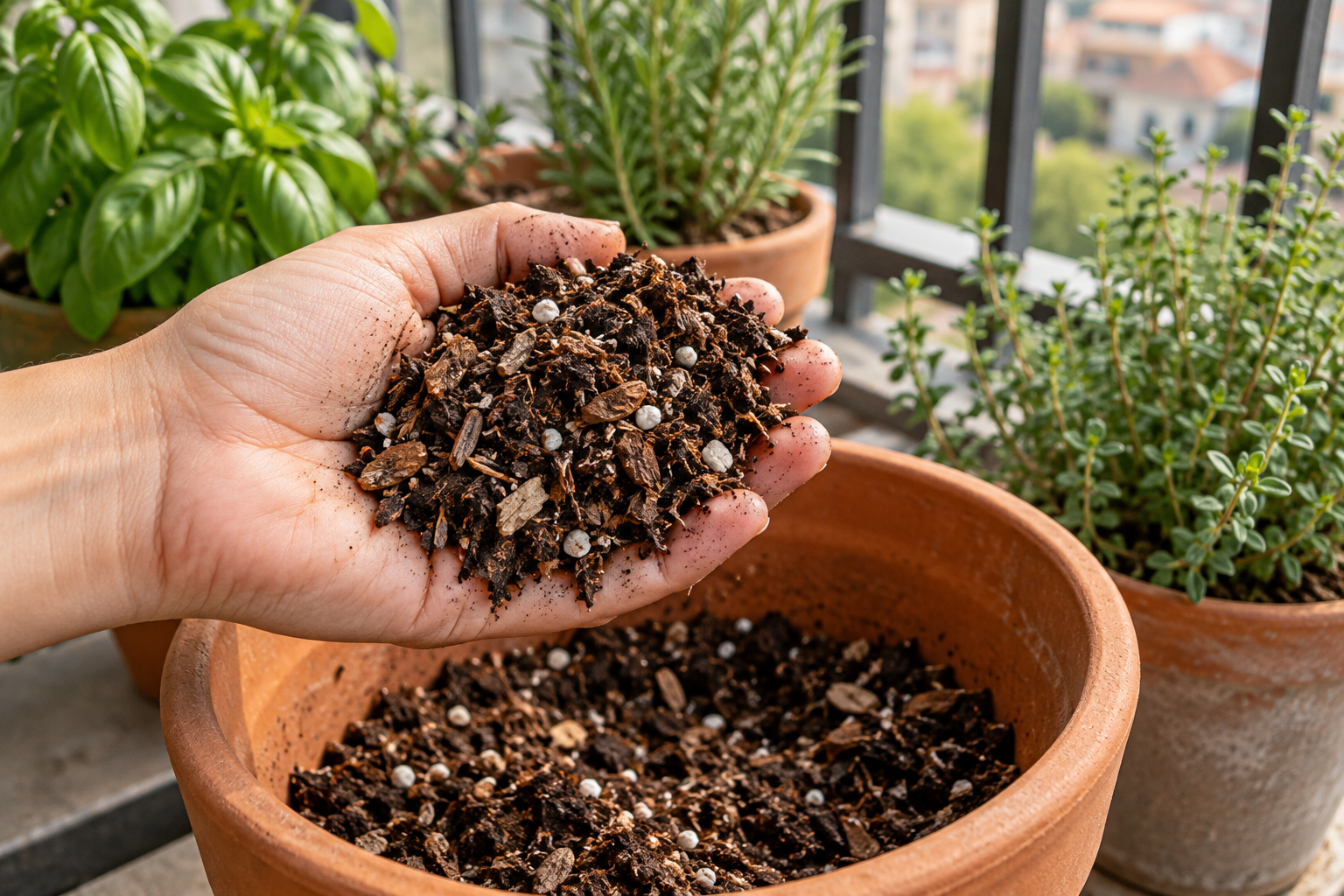
The pores in a potting mix must store water and leave a connected route for air. Particle size, packing, pot height and watering decide how those spaces serve the roots after drainage.
The delivery driver arrived with a box large enough to contain a modest refrigerator. Inside were three containers, a bag of accessories and the growing conviction that I had been an idiot. I own a
My original planting plan had arrows, colors and a reassuringly ambitious title. It also assumed that every free afternoon would coincide with pleasant weather and that I would remember every small change I made. An